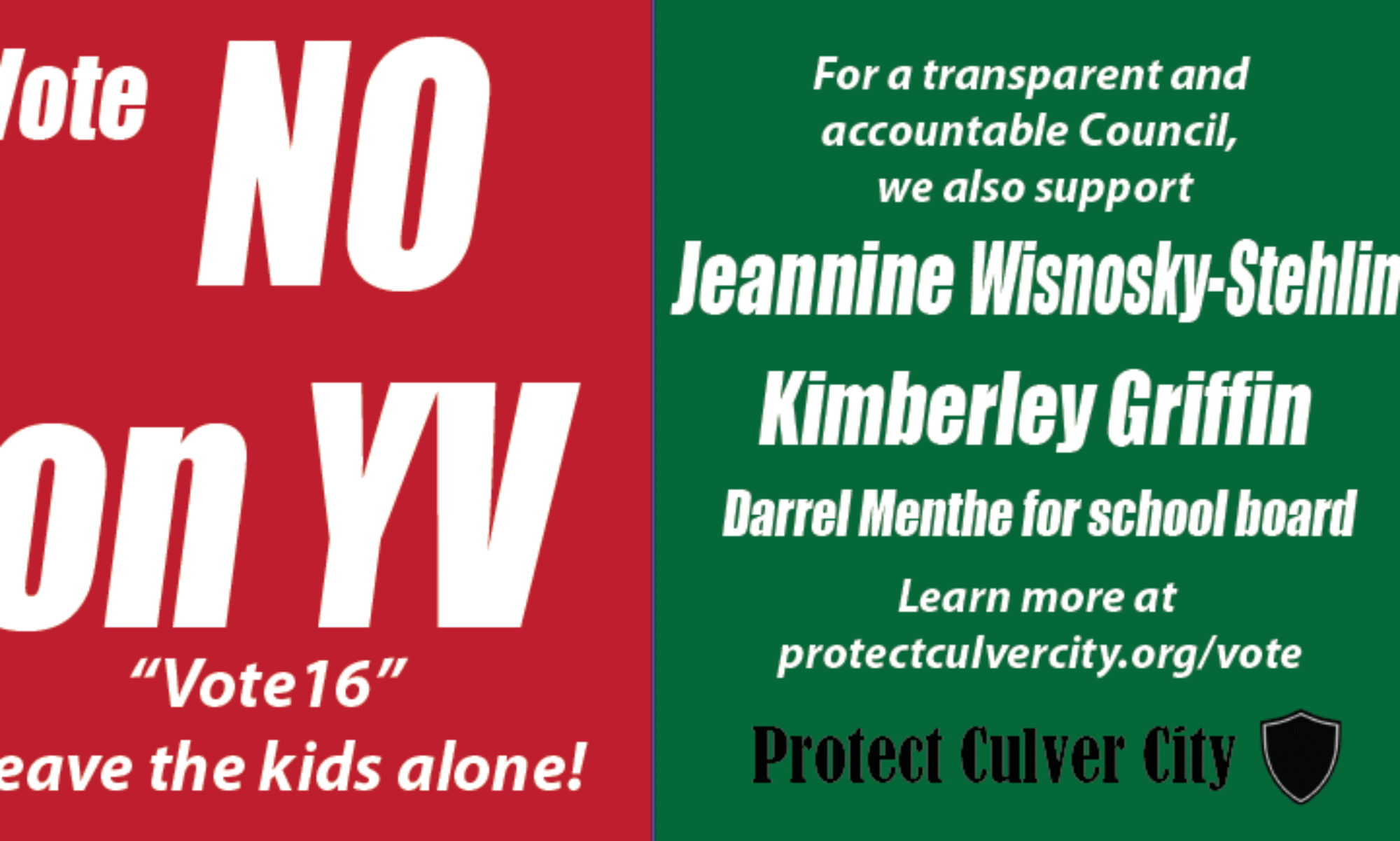
We recommend voting for Darrel Menthe—and only Darrel Menthe—in this year’s School Board election.
We generally focus on Council elections rather than School Board races. But decisions that affect city finances and governance deserve our attention, regardless of where they originate.
Several issues have led us to take a position in this election:
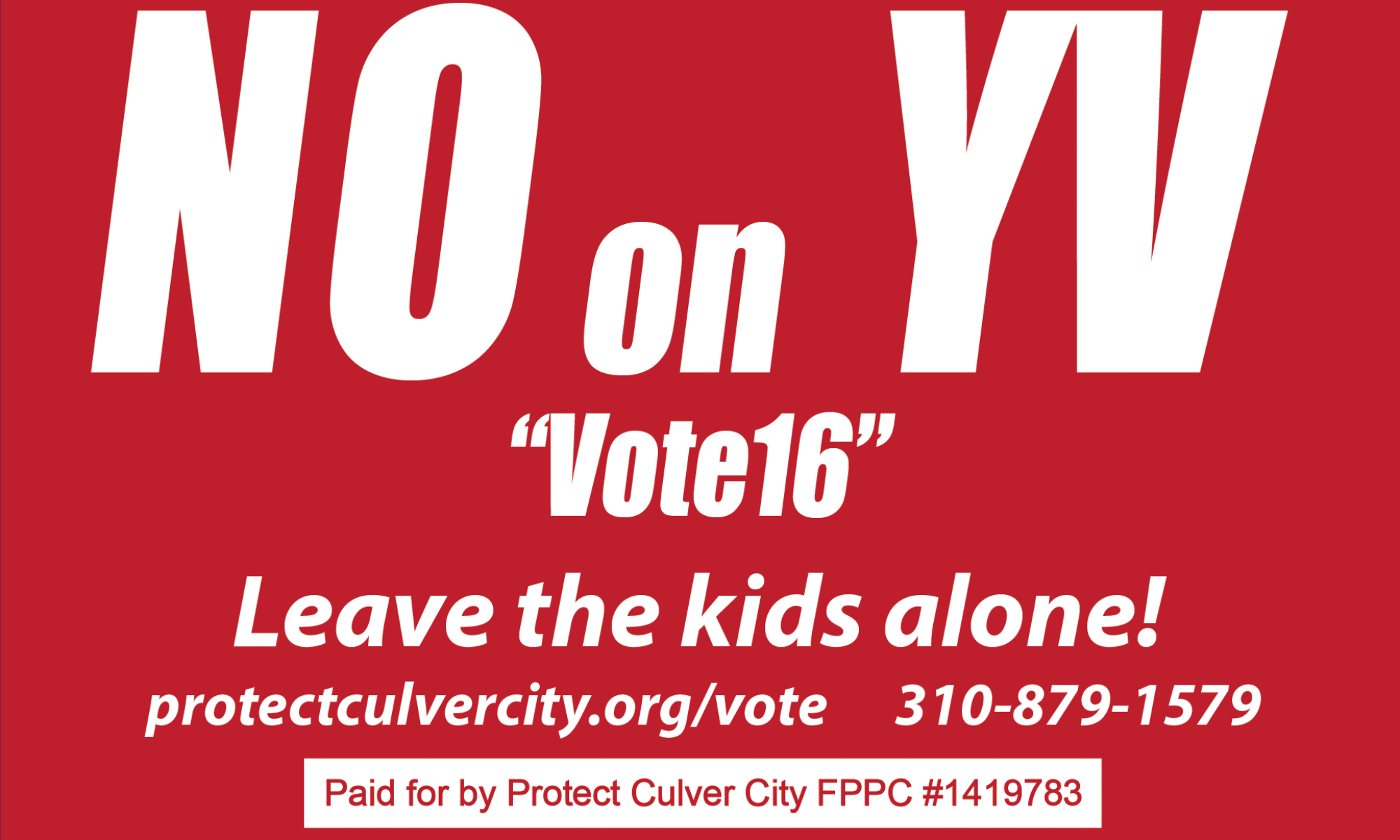
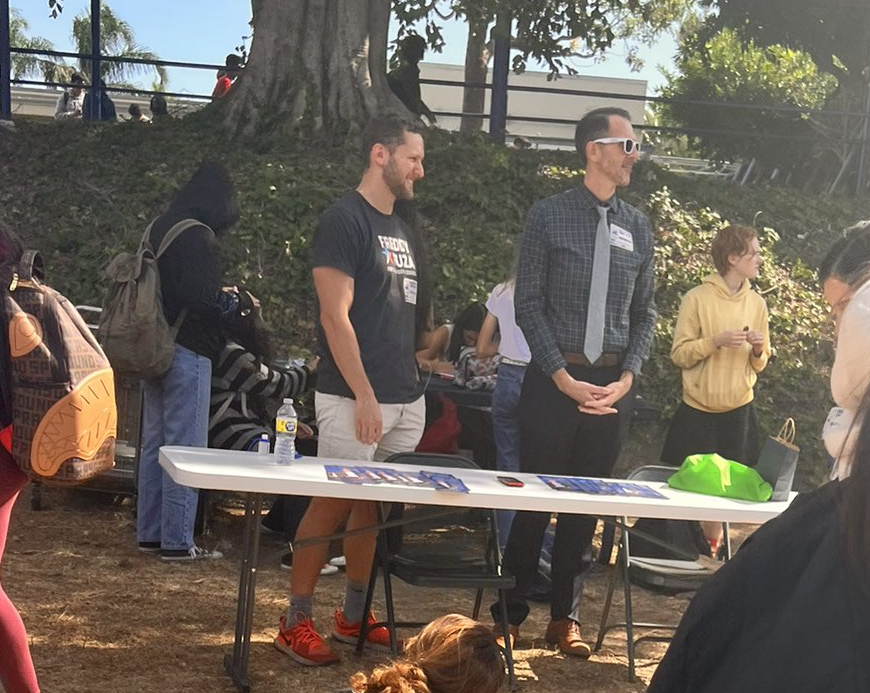
- Council campaign activity on school property. We are concerned about the use of school property for Council campaign activity and the involvement of school-board members or affiliated staff. Especially in light of Measure YV potentially allowing students to vote. The 2025-2026 school board has been much better about this. But if students are allowed to vote, it’s more important than ever to have a School Board that stays out of Council politics.
- Financial oversight. Previous Boards engaged in reckless financial behavior, in which they spent through the district’s healthy financial reserves. The “New Earth” scandal is just one example of poor financial decisions that have resulted in the district having to lay off staff and make cuts closer to the classroom just to stay above the 3% state-mandated minimum reserves.
And while Board member Carlson moved heaven and earth to bring the New Earth scandal to light, the three incumbents remained silent. Menthe promises to change that. - Honors classes. We oppose the incumbents’ decision to eliminate honors classes and believe the board should clearly explain how it will meet the needs of students seeking advanced coursework. While the incumbents partially walked this policy back due to public pressure, Menthe remains committed to providing this kind of opportunity to students.
Taken together, the trend is evident: the incumbent School Board meddles in Council politics while forgoing its own basic financial duties. Add to that the fact that the County Democratic Party decided to get involved and campaign for the incumbents. Once again revealing the heavy handed outside pressures our city has to deal with.
This requires our intervention. But things are brighter than they look.
We are starting to recover from the disastrous school board of 2023-2024. Lindsay Carlson and Andrew Lachman are both major improvements over their predecessors. If Darrel replaces any of the three remaining incumbents, that means we have an accountable majority.
That’s why we are supporting Darrel, and ONLY Darrel. A vote for any of the other candidates disadvantages Darrel.
Why?
Only four candidates have declared in this election for three open seats. Darrel, and the three incumbents. He only needs to beat the worst performer to get elected. A vote for any of the others means Darrel needs to get another vote to beat them.
The purpose is not change for its own sake. It is to secure a majority that’s accountable for contracts and spending, clear educational priorities, and appropriate boundaries between School Board business and Council politics.
Darrel gives us that promise. Vote for Darrel Menthe, and only Darrel Menthe for school board.